
Soil & Agriculture 🎯 Grades K-12 ⏱️ 30 minutes 👥 1-30 students

Planting & Greenhouse Seedling Management

Gardening & Youth Agriculture • Tyonek Tribal Conservation District Curriculum

Interactive Digital Curriculum

Interactive Walkthrough Slides

Step through the complete digitized curriculum deck with illustrated concepts, step-by-step procedures, teacher tips, and interactive knowledge checks.

🖥️ Interactive Walkthrough Slides
Slide 1 of 6
Download PDF
Slide 1 Agronomy Essentials

The Art & Science of Sowing Seeds

Giving Every Seed the Perfect Start in Life

Planting a seed seems simple, but getting the depth, moisture, and soil contact right is the difference between an empty pot and a flourishing harvest.

If a seed is planted too deep, its stored food energy will run out before the sprout ever reaches sunlight. If planted too shallow, the seed dries out in the wind and perishes.

  • 📏
    Golden Rule of Depth: Plant seeds at a depth equal to 2 to 3 times their diameter.
  • 🌱
    Firm Soil Contact: Gently tamp soil over the seed so water can wick directly into the coat.
← / → Navigate slides F Fullscreen Esc Exit fullscreen
Official curriculum guide preview for Planting & Greenhouse Seedling Management
📄 10.-Planting.pdf

Essential Inquiries & Learning Targets

Core Essential Questions:

  • How deep should seeds be planted, and why does planting depth differ dramatically between species?
  • What is the difference between direct seeding outdoors versus starting seedlings in greenhouse trays?
  • How do sub-arctic growers protect fragile young seedlings from damping-off fungal disease?

Student Learning Objectives:

  • Apply the universal planting depth rule: sow seeds 2x to 3x their maximum diameter.
  • Mix balanced seedling potting soil with optimal aeration, moisture retention, and drainage.
  • Sow seeds into cell packs using proper spacing, gentle tamp, and bottom-watering techniques.
Self-Grading Assessment

Comprehension Mastery Quiz

Test student understanding of scientific principles, local Alaska ecology, and problem-solving scenarios from the lesson guide. Earn the Planting & Greenhouse Seedling Management Master credential!

📝 Comprehension Mastery Quiz Question 1 of 1

Why is bottom watering preferred for delicate young seedling trays?

Terminology & Dena’ina Context

Specialized Vocabulary Flashcards

🗂️ Interactive Vocabulary Deck Card 1 of 3

Click the card or press Space to flip. Use arrow keys to navigate.

Term Click to flip ↷

Sowing

Definition & Context Click to flip ↶

The act of planting seeds in soil or growing medium at the proper depth and spacing.

Alaska Context:

Horticulture

Educator Guide

Curriculum Standards & Activity Protocol

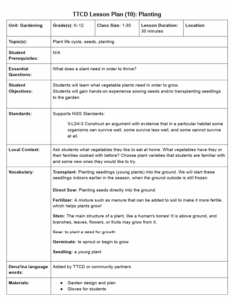
📚 Standards Alignment (NGSS & Alaska Cultural Standards)

K-LS1-1

Use observations to describe patterns of what plants and animals need to survive.

NGSS

🏔️ Local Alaskan & Tebughna Context

  • With a short 100-day growing season in Western Cook Inlet, starting warm-season crops (tomatoes, squash, broccoli) indoors in April is mandatory.
  • Tyonek Grown’s high-tunnel hoop houses extend the season by warming air and soil 10°F above outside ambient temperatures.

📦 Required Materials & Classroom Setup

✓ Seedling 6-pack cell trays✓ Sterile seed starting potting mix✓ Seeds (peas, beans, radishes, marigolds)✓ Popsicle stick labels & waterproof markers✓ Bottom watering flat trays✓ Pencil with eraser

🔬 Step-by-Step Hands-on Activity Guide

  1. Step 1: Mix Soil

    Moisten potting soil to sponge dampness.

  2. Step 2: Fill Trays

    Fill cell packs and level surface gently.

  3. Step 3: Make Pockets

    Use pencil eraser to make indentations at 2x–3x seed diameter depth.

  4. Step 4: Sow & Label

    Drop seeds, cover with mix, label with plant name and date, and bottom-water.

💬 Wrap-Up Discussion & Evidence of Learning

Discussion Questions:

  • What happens to a tiny seed if you bury it 3 inches deep?
  • Why do high tunnels give Tyonek farmers an advantage over outdoor field gardens?

Evidence of Learning Rubric:

  • Student correctly calculates sowing depth for different seed sizes.
  • Student plants and labels seedling cell packs following proper horticultural protocol.
← All Youth Lessons & Resources