

Invasive Species Watch & Control Map
Monitoring locations for Northern Pike suppression, Elodea survey lakes, and terrestrial weed treatment corridors.
Northern Pike (Esox lucius)
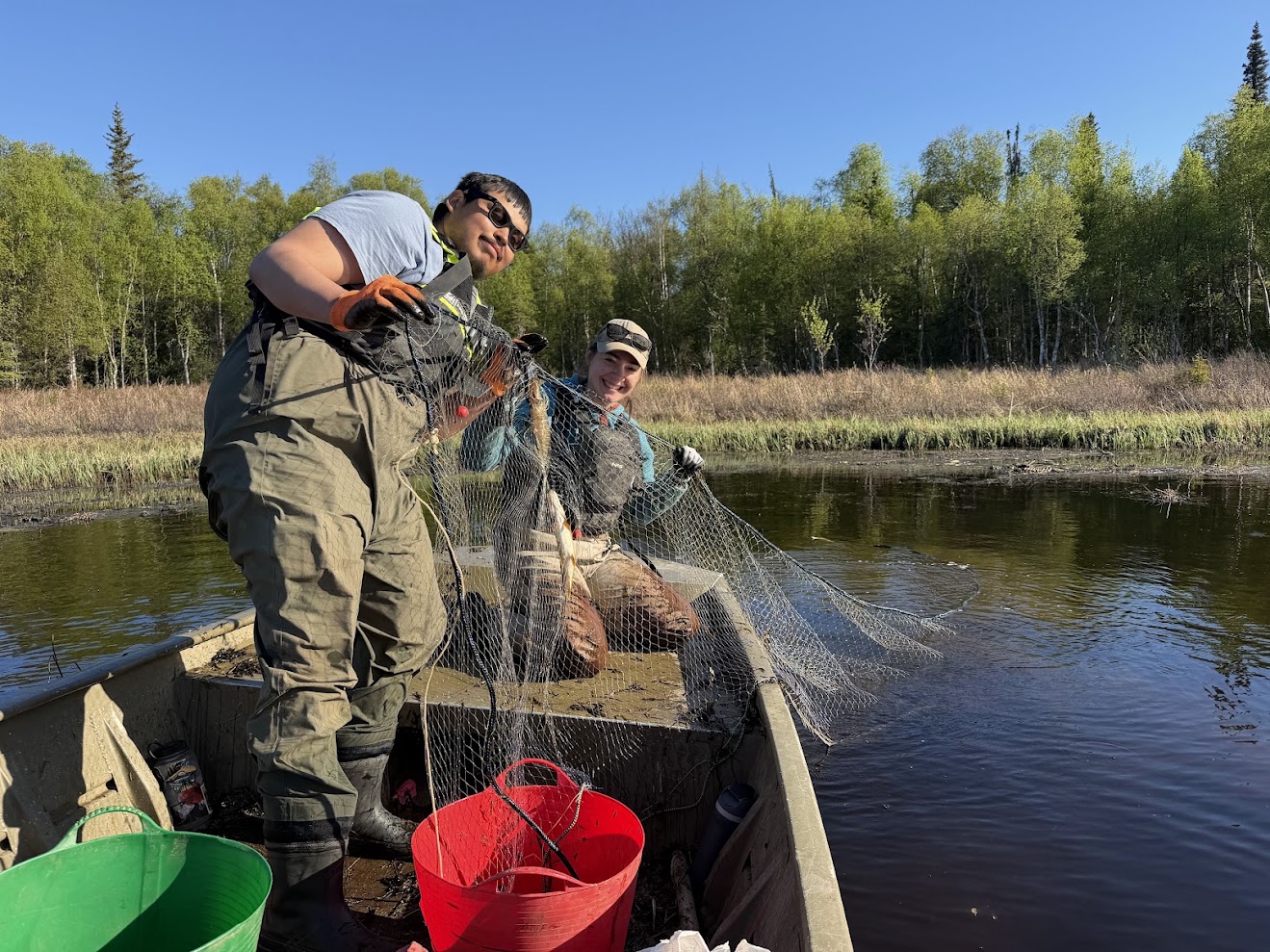
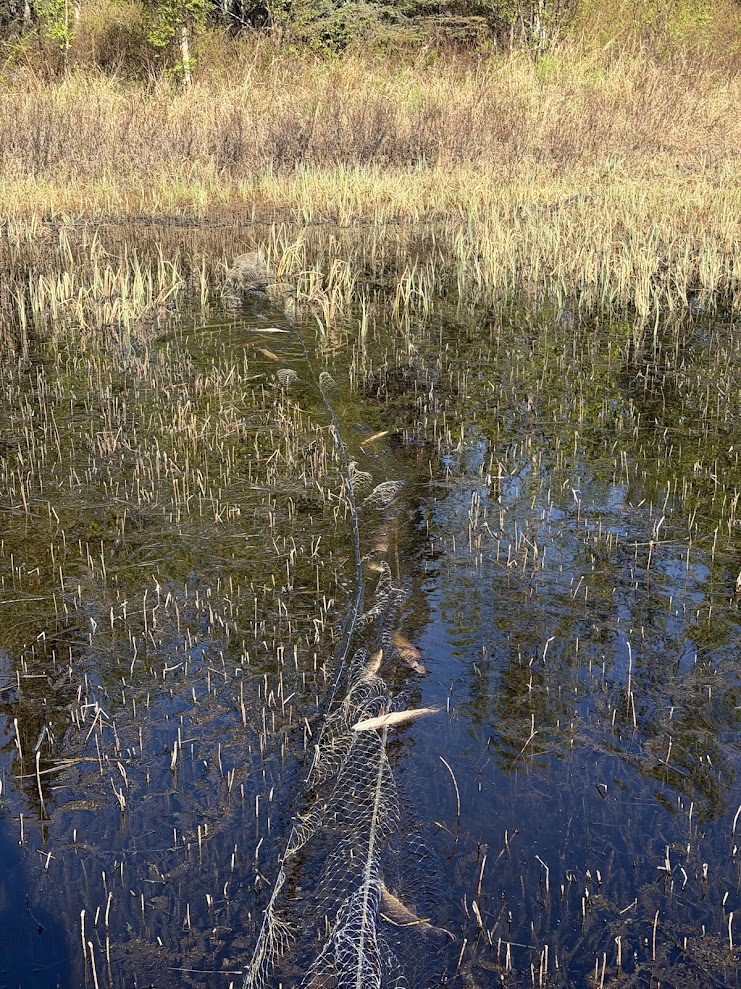
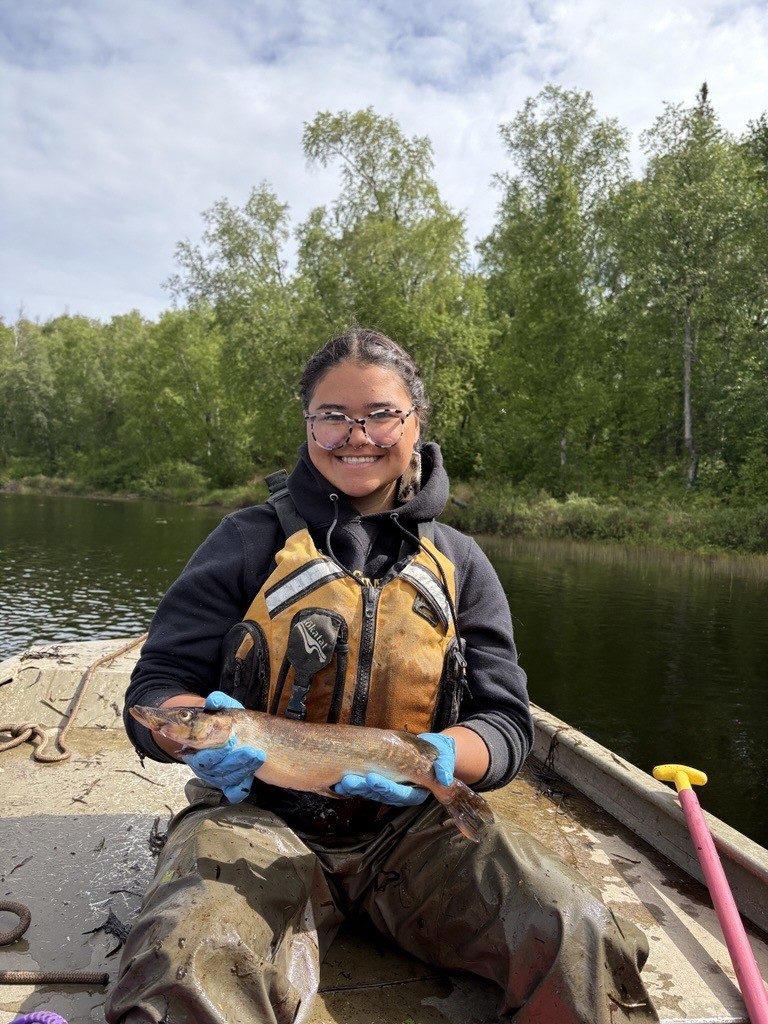
Northern pike (Esox lucius) are an invasive species in Southcentral Alaska and are steadily devastating salmonid populations through juvenile salmon predation in the lakes and streams they invade. Northern pike were illegally introduced to Southcentral Alaska by private landowners beginning in the 1950s, and have spread to connected lakes and streams. Now present throughout much of the Susitna Basin, northern pike are apex predators that preferentially prey on juvenile salmonids and are implicated in salmon population decline throughout the TTCD area. For many waterbodies in Southcentral Alaska, the coexistence of salmonids and pike is highly unlikely; without management intervention, salmon populations will steadily decline from northern pike-infested waters.
Recent research involving northern pike otolith microchemistry has revealed that pike are traveling through marine Cook Inlet waters to invade novel freshwater drainages, substantiating previous reports by commercial fishermen that pike are appearing in their setnets. Ongoing surveys for early detection of northern pike in West Cook Inlet waters are critical to facilitate rapid response measures, such as suppression and eradication (as feasible), to prevent secondary pike invasions and protect key salmon populations and habitat.
TTCD’s Northern Pike Program focuses on prevention, early detection, suppression, and eradication whenever feasible. TTCD's 2025 Annual Report reports cumulative removals of 11,000+ invasive pike across program watersheds. TTCD is an active member of the Alaska Invasive Species Partnership (AKISP), who have developed a plan to collaboratively manage the spread of this invasive species.
The 2022 – 2030 Current Management Plan (PDF) helps guide TTCD’s response to invasive Northern Pike in our District.
Elodea: Alaska’s First Aquatic Invasive Plant
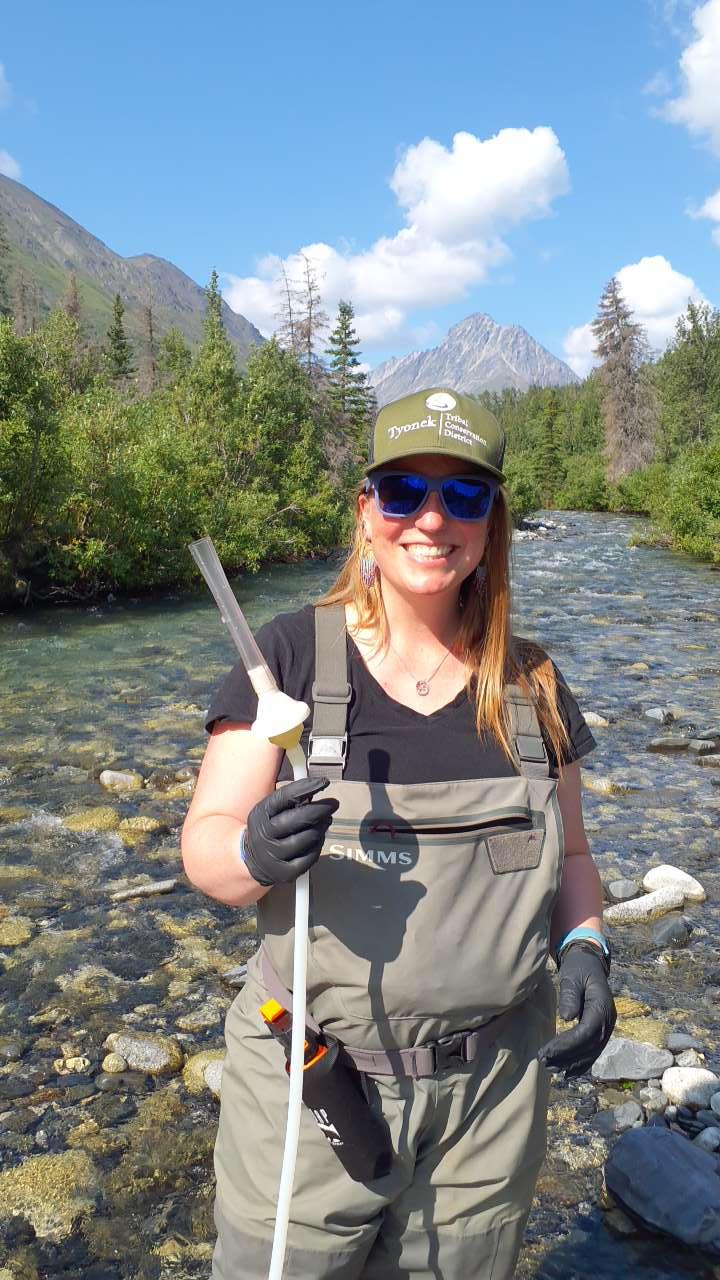
Elodea is Alaska’s first invasive submersed freshwater aquatic plant and has been found in several areas of the state, including Cordova, Fairbanks, Anchorage, the Kenai Peninsula, and the Matanuska-Susitna (Mat-Su) Valley. Establishment of this invasive species can have broad ecological and economic consequences, especially where Alaska’s salmon resources are concerned. Elodea can reproduce from a single plant fragment, allowing it to disperse quickly when it becomes entangled in floatplane rudders, boat propellers, and trailers. Elodea was discovered in the TTCD area in 2014 in Alexander Lake and then in nearby Sucker Lake in 2016.
In 2018, TTCD formed a multi-stakeholder task force to work collaboratively to contain and eradicate Elodea from the TTCD area. The Mat-Su Elodea Task Force (Task Force; originally the Alexander Creek Drainage Elodea Task Force) consists of TTCD, Alaska Department of Natural Resources (ADNR), Alaska Department of Fish and Game (ADF&G), U.S. Fish and Wildlife Service (USFWS), Cook Inlet Aquaculture Association (CIAA), the Mat-Su Salmon Habitat Partnership, Mat-Su Borough, SePRO Corporation, the Alaska Civil Air Patrol, and numerous lake residents. TTCD has continued to coordinate the task force to support the Alexander and Sucker Lakes eradication project. Recently, the Task Force has expanded its geographic scope to include all the Mat-Su Borough and continues to provide outreach, survey support, and planning for eradication efforts.
Learn more about Elodea in Alaska from our partners at the US Fish and Wildlife Service.
Terrestrial Plants & AKEPIC Reporting
TTCD works to control harmful and invasive weeds in the District. Noxious weeds can be harmful to agriculture, recreation, wildlife or property, affecting critical habitats for migratory birds, native pollinators, and other wildlife. Preventing the spread of invasive plants is vital to preserving Alaska’s unique ecosystems.
Invasive plants in the District include:
- Orange Hawkweed (Hieracium aurantiacum)
- White Sweetclover (Melilotus alba)
- Oxeye Daisy (Leucanthemum vulgare)
- Butter and Eggs / Yellow Toadflax (Linaria vulgaris Mill.)
- Yellow Sweetclover (Melilotus officinalis)
- Perennial Sowthistle (Sonchus arvensis)
In 2016, TTCD began chemical and mechanical treatment of terrestrial invasive plant infestations along the western side of the District road system. Since beginning treatment, the size and density of infestations have decreased, and additional infestations have been treated with the goal of full eradication when discovered. Ongoing survey efforts ensure early detection and rapid response to prevent the spread of invasive terrestrial plants.
TTCD submits invasive plant data to the AKEPIC database, maintained by the UAA Alaska Center for Conservation Science.
Invasive Species Publications & Technical Reports
Download official technical reports, field identification guides, and inter-agency management plans developed by TTCD and conservation partners:
Introduction to Invasive Species Management
Comprehensive lessons learned from TTCD on West Cook Inlet invasive plant and aquatic species containment, herbicide protocol safety, and monitoring.
Download PDF (3.6 MB) ↓Elodea: Alaska's First Freshwater Aquatic Invasive Plant
Identification guide, ecological impacts on wild salmon spawning gravels, floatplane vector hygiene, and task force response protocols.
Download PDF (137 KB) ↓Invasive Species Management Session Survey Results
Stakeholder survey and community findings from regional invasive species management and partner coordination sessions.
Download PDF (716 KB) ↓2022–2030 Alaska Invasive Northern Pike Management Plan
Official ADF&G statewide management strategy guiding early detection, rapid response, and suppression netting across Southcentral Alaska.
View ADF&G Plan (PDF) ↗🐊 Invasive Northern Pike vs. Wild Salmon Impact Estimator
Invasive Northern Pike prey heavily on juvenile Coho and Chinook salmon smolt in shallow lakes. See how TTCD's gill-netting suppression increases wild salmon survival.
Adjust Netting Parameters
Estimated Ecological Benefit
*Based on TTCD & ADF&G joint bioenergetics suppression monitoring on Alexander Creek, Threemile Lake, and Chuitbuna Lake.
Support our work
Your support assists us in restoring Cook Inlet salmon habitat, building food security programs, providing youth education, and creatively responding to the conservation needs of District landowners.