
Food Security Infrastructure Map
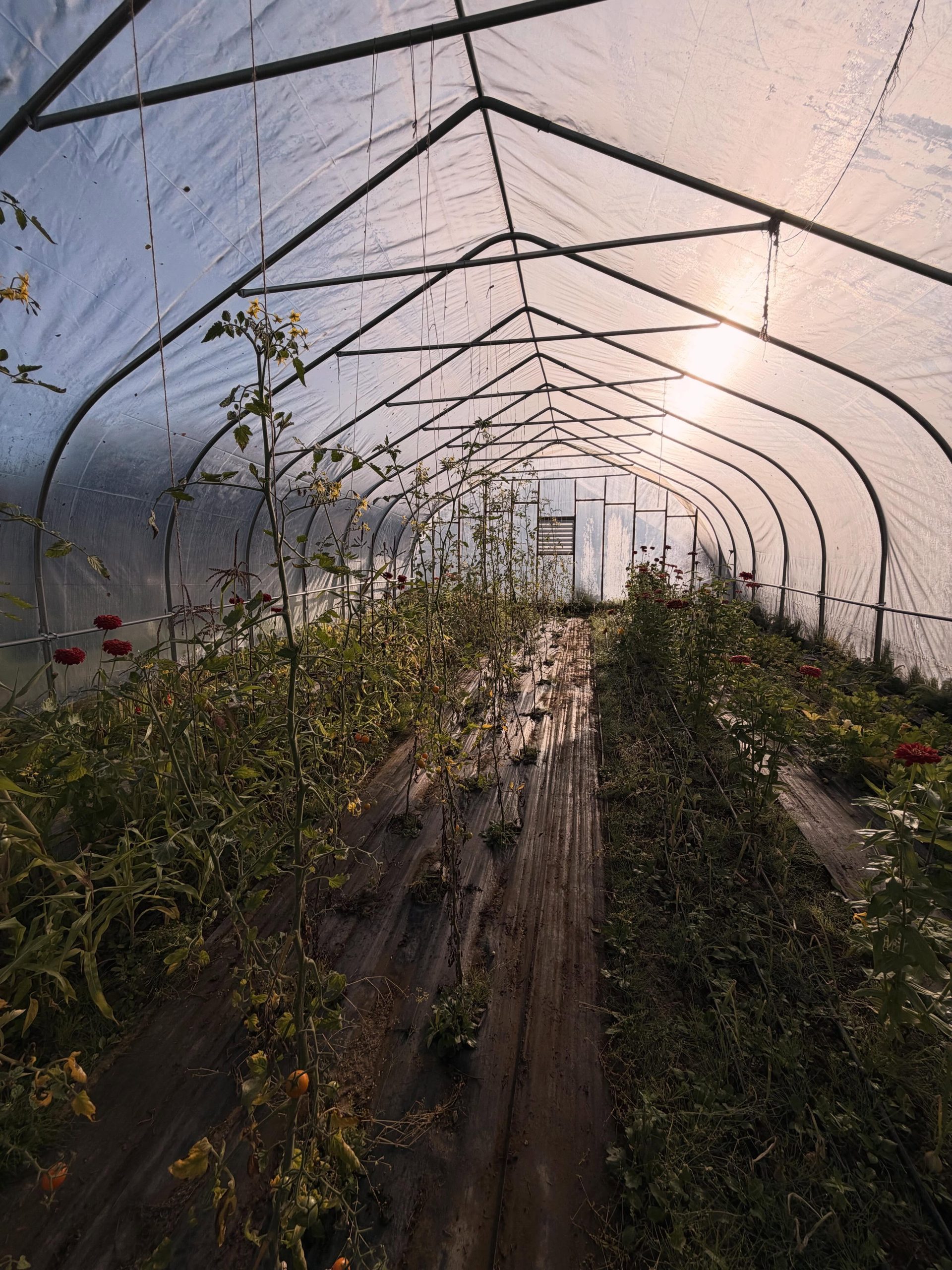
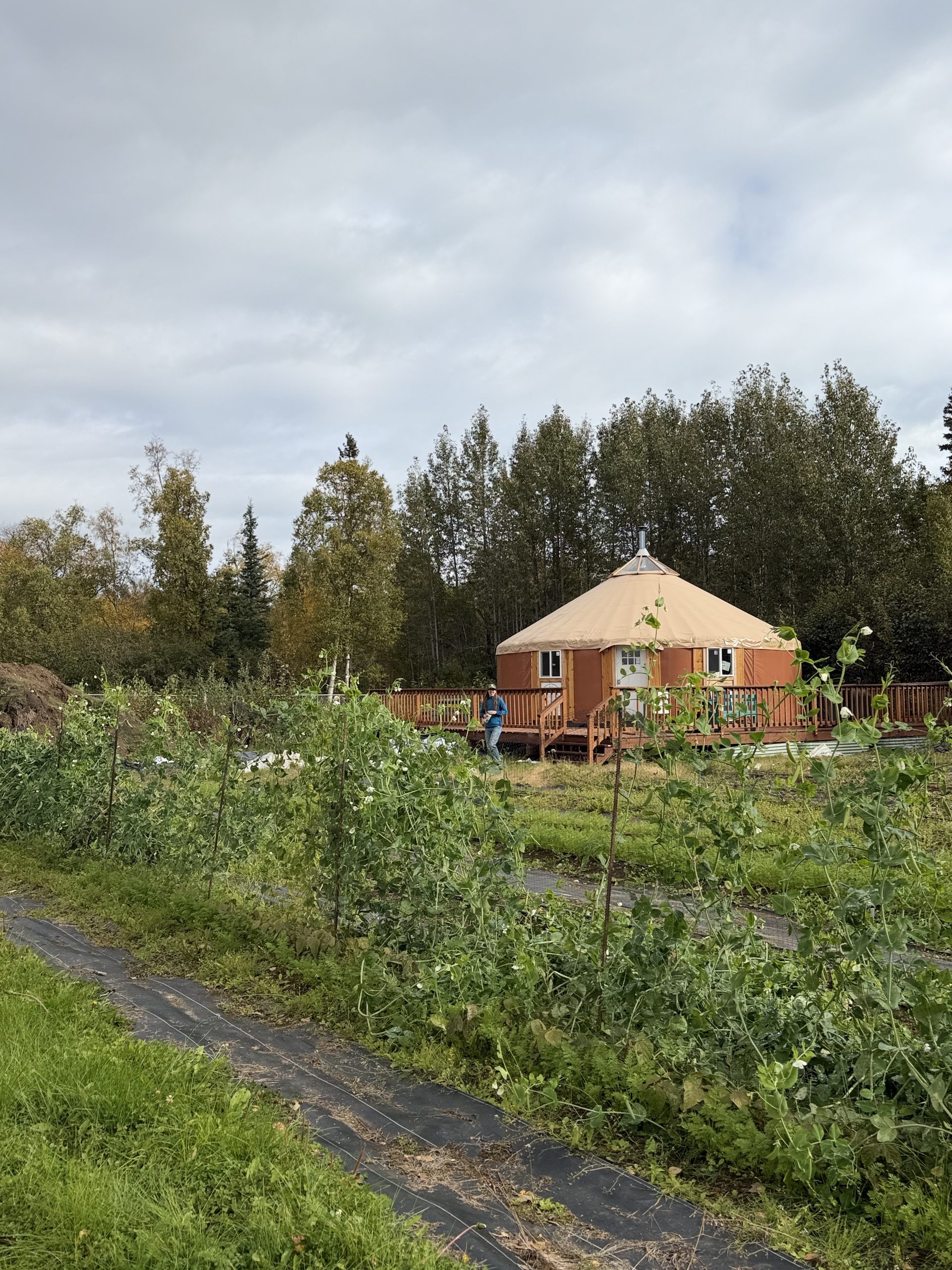
Tyonek Farm, community raised beds, Food Cellar, and food distribution sites.
Food Security in Tyonek
Tyonek, Alaska, is located 43 air miles from the nearest urban center, where transportation of food items faces steep prices and regular weather disruptions. Approximately 170 tribal members live within the Alaska Native Village of Tyonek, while another 600–900 live in other locations but remain tied to the land, both culturally and economically, with many returning for subsistence during the summer months.
Because Tyonek is accessible only by bush plane or barge across Cook Inlet, residents rely heavily on subsistence species (especially wild salmon, moose, and berries) to supplement expensive groceries flown in from Anchorage. In response to community demand and disruptions from the COVID-19 pandemic, TTCD's community agriculture programming expanded into broader food security initiatives, resulting in increased food distributions and systematic assessments to address local food barriers.
Tyonek Gather
Tyonek Gather is a pilot project establishing a regional food distribution model that increases access to Alaska-grown foods from surrounding producers for all consumers in Tyonek. Funded through the U.S. Department of Agriculture’s Local Food Purchasing Assistance Plus (LFPA+) program, TTCD works closely with the Native Village of Tyonek (NVT) to establish a regional food supply chain connecting Tyonek with local producers in the Anchorage and Mat-Su areas.
With LFPA+ support, this program has transported and distributed Alaska-grown foods directly to Tyonek residents. Through this model, TTCD launched the Tyonek Gather Online Marketplace (operating like a food hub), allowing households to select foods from available inventory when ordering is open. Priority is given to Alaska Native and Indigenous agricultural producers. Current availability and ordering windows should be confirmed through the marketplace.
Tyonek Farmers Market
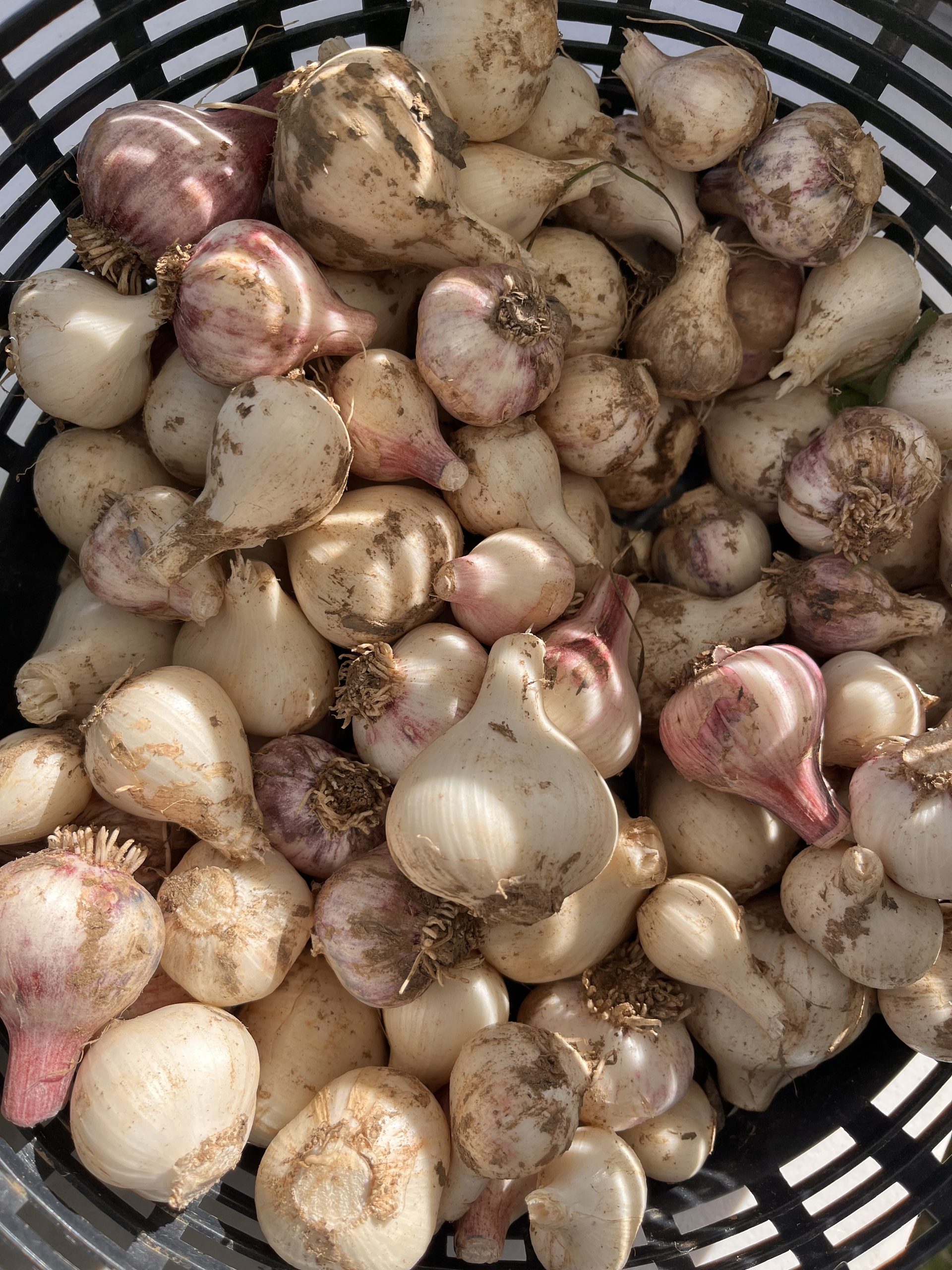
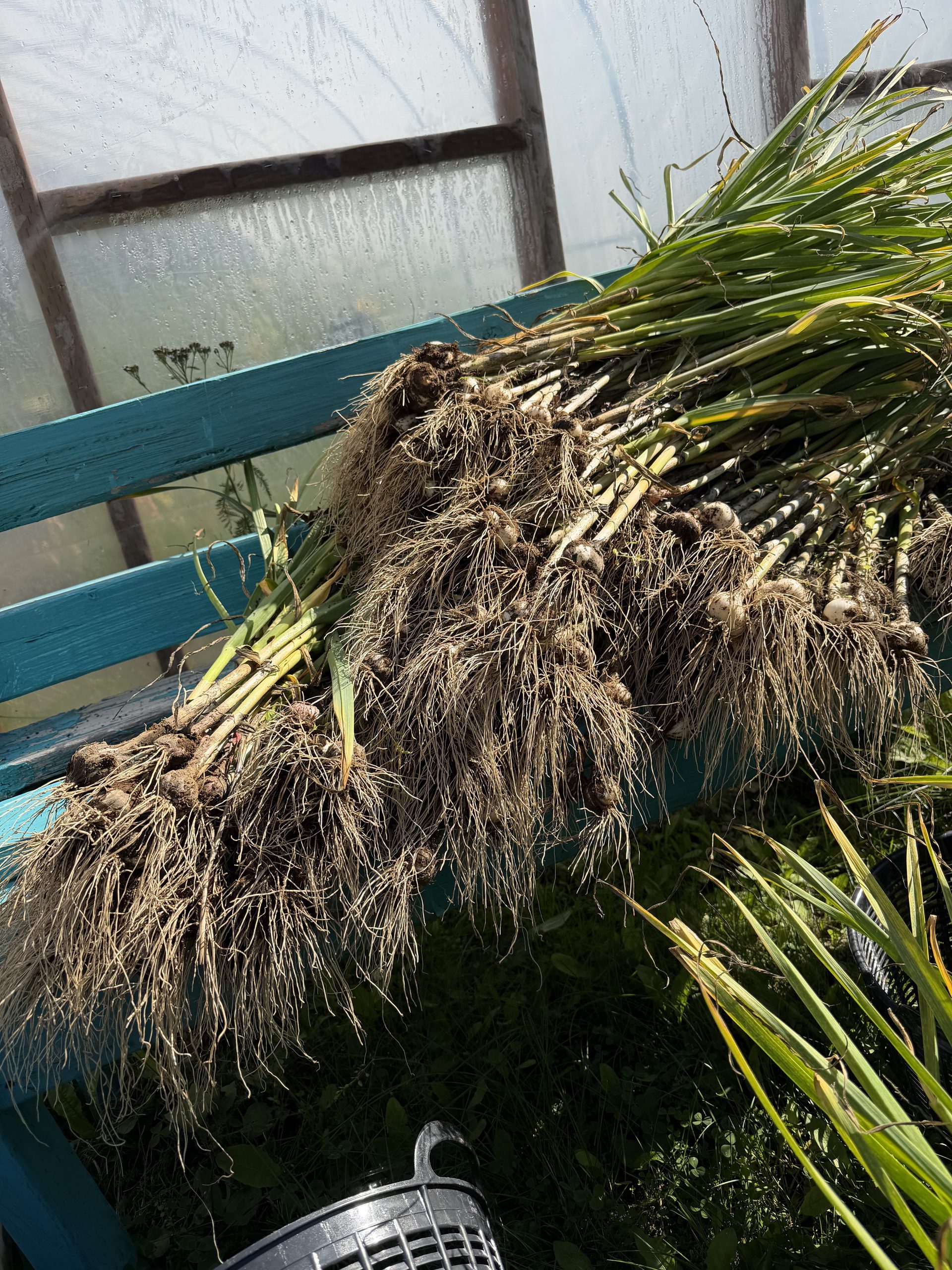
Established in 2015, the Tyonek Farmers Market provides a weekly source of fresh, locally grown food to all village residents throughout the summer. The market is entirely operated by TTCD Youth Interns, who manage all activities from harvesting and washing to booth setup, customer service, and sales.
In 2024, the market expanded its offerings to include additional Alaska-grown foods sourced from agricultural partners across the state, providing community access to farm-fresh eggs, local honey, berries, and Alaskan produce commodities.
Two-Phase Food System Assessments
Beginning in 2025, TTCD launched a comprehensive, two-phase food system assessment to identify specific barriers and opportunities across the Tyonek food chain, guided by national food systems expert Ken Meter of the Crossroads Resource Center:
- Phase 1: Tyonek Food System Assessment (2025–2026): Evaluates the local food value chain within Tyonek—including agricultural production, freight logistics, distribution channels, household purchasing, subsistence consumption patterns, and food waste. Findings directly inform TTCD's 2024–2027 Climate Resilience Plan, addressing 10-year priorities spanning freight transport vulnerabilities, coastal erosion, salmon habitat stability, and wild plant foraging.
- Phase 2: Tyonek Shareholder Food Security Assessment (2026–2027): Takes a systems approach to the conditions of food security for all Tyonek tribal shareholders, the vast majority of whom reside in Anchorage, Homer, Kenai, and the Mat-Su Valley. Tasked by partner stakeholders and the TTCD Board of Directors, this assessment will guide a strategic plan for regional food access programs serving urban shareholders.
Nutrition Education, Food Preservation & Raised Beds
TTCD organizes hands-on workshops throughout the year to help families preserve fresh produce and wild harvests, reducing dependence on processed air-freighted groceries:
- Workshops & Celebrations: Canning and pressure-cooking classes, root-cellar storage workshops, garden blessing ceremonies, and annual community harvest parties.
- Community Raised Beds: Free gardening beds provided to local households, complete with free high-organic compost, seeds, starts, and season-long technical support.
- Youth & School Integration: Hands-on training for Tebughna School students and paid summer Youth Interns in harvesting, post-harvest sanitation, and cold-climate hydroponics.
✈️ Tyonek Food Sovereignty Air-Freight Savings Calculator
Compare local produce grown at Tyonek Farm vs. air-freighted grocery costs flown across Cook Inlet from Anchorage.
Annual District Community Savings
Support Food Security with 'Tyonek Grown' Apparel
Wear your support for village-grown food sovereignty. 100% of proceeds from these designs directly power high tunnel operations and elder fresh produce distributions.
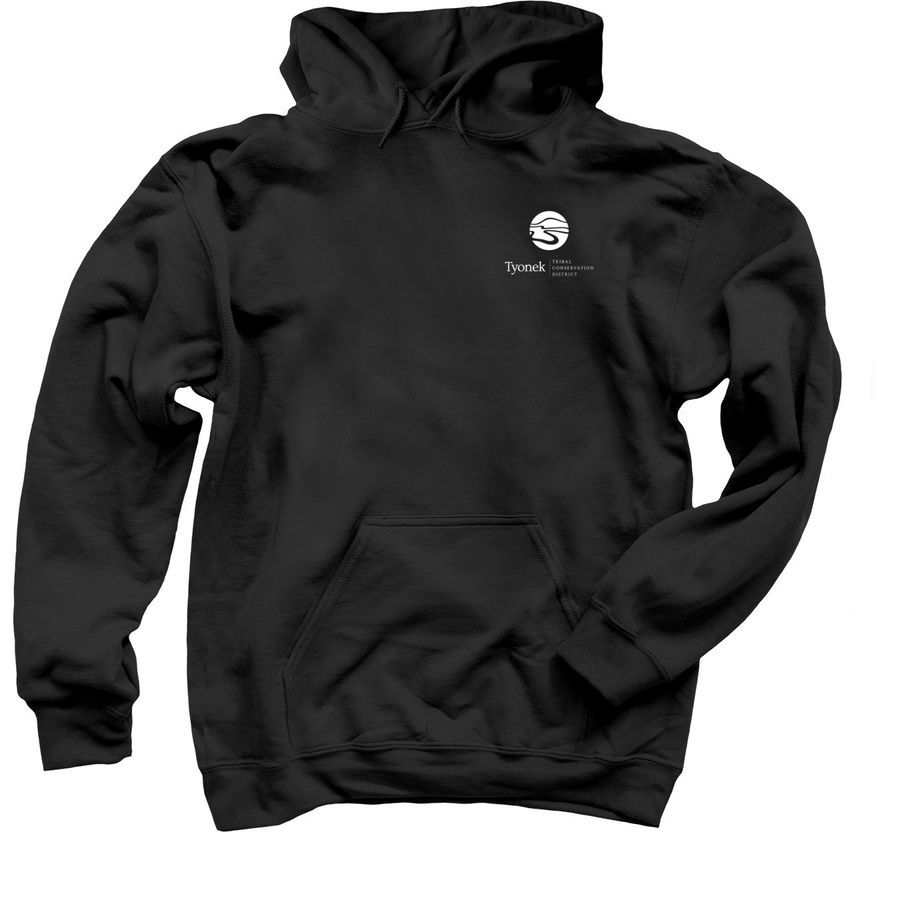
Official Tyonek Tribal Conservation District apparel. 100% of fundraising proceeds support wild salmon habitat, agricultural food security, and youth education in Tyonek, Alaska.

Tyonek TCD Cap
$21.00Embroidered trucker style mesh cap featuring the official Tyonek Tribal Conservation District salmon and mountain emblem. Breathable, durable, and ready for field work or daily wear.
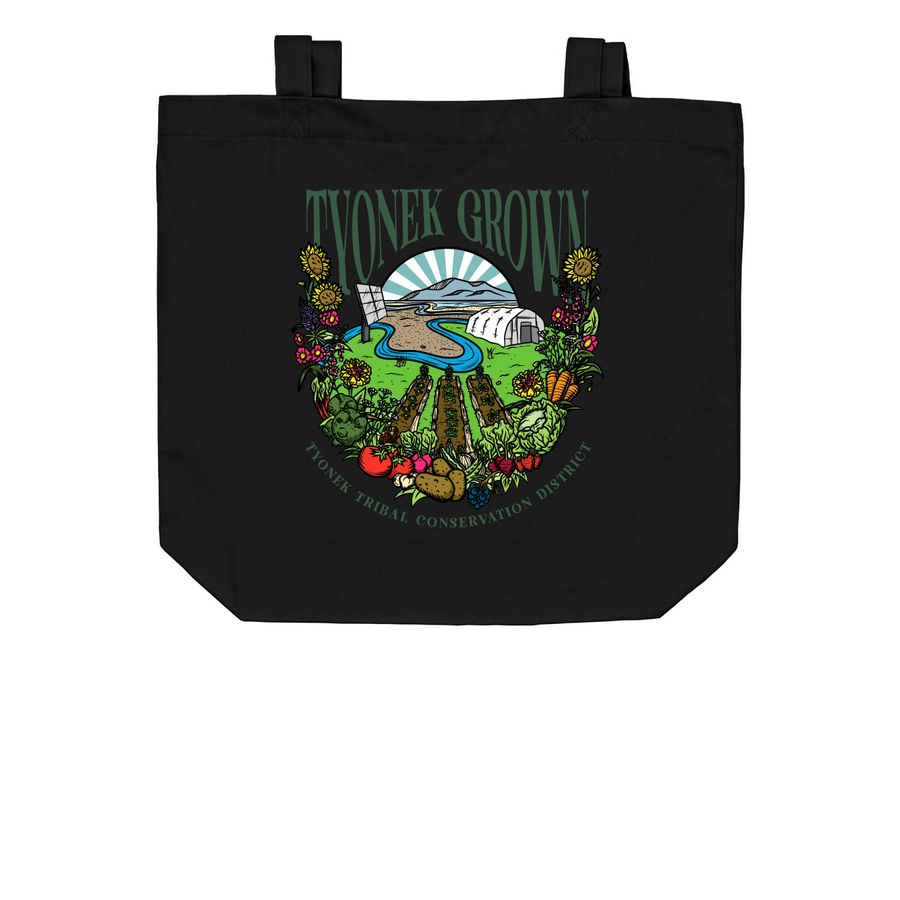
Tyonek Grown" Tote Bag
$29.50Sturdy 100% certified organic cotton canvas market tote. Perfect for farmers markets, community harvests, wild berry picking, and daily gear.
Custom Printed & Shipped Worldwide by Bonfire
Orders are printed with eco-friendly inks on premium pre-shrunk fabrics. TTCD receives 100% of fundraising royalties automatically.