Our Project Areas

Conservation Programs

We partner with tribal organizations, state and federal agencies, and non-profits to restore habitats, advance food sovereignty, and support Tyonek youth across 6.6 million acres.

We partner with numerous tribal organizations, state and federal agencies, and fellow non-profits to achieve our goals across project areas. Current priorities include the restoration of fish and wildlife habitat, advancing food security through community agriculture and regional food distribution, providing effective and inclusive outreach to District landowners, and investing in youth through education and employment.

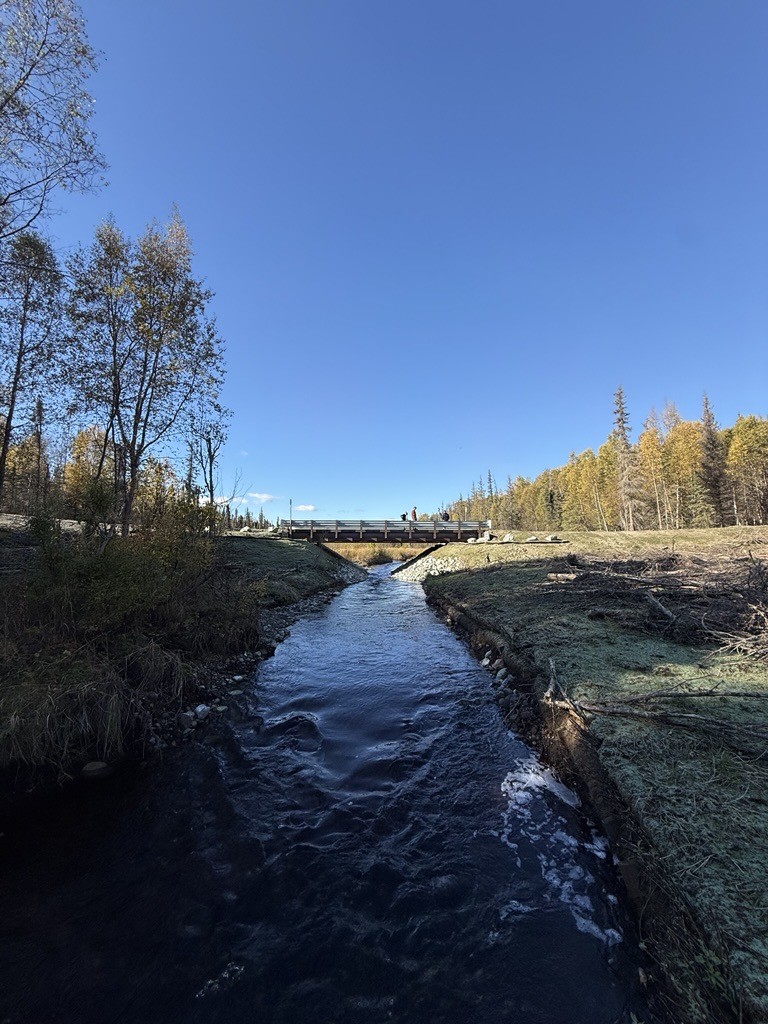
Salmon culvert replacement in Tyonek Aquatics

Salmon Habitat Restoration

Salmon is a vital cultural and economic resource for District residents. TTCD's 2025 Annual Report documents restoration of 61.1 miles of stream habitat and more than 590 acres of lake ecosystems through fish-passage work across Western Cook Inlet.

Explore Salmon Restoration →

Aquatic invasive northern pike suppression netting Ecology

Invasive Species Management

Safeguarding native ecosystems against aggressive invaders like Elodea and Northern Pike. We lead suppression netting camps, early detection lake surveys, and boat decontamination outreach to protect Cook Inlet waters.

Learn About Invasive Control →
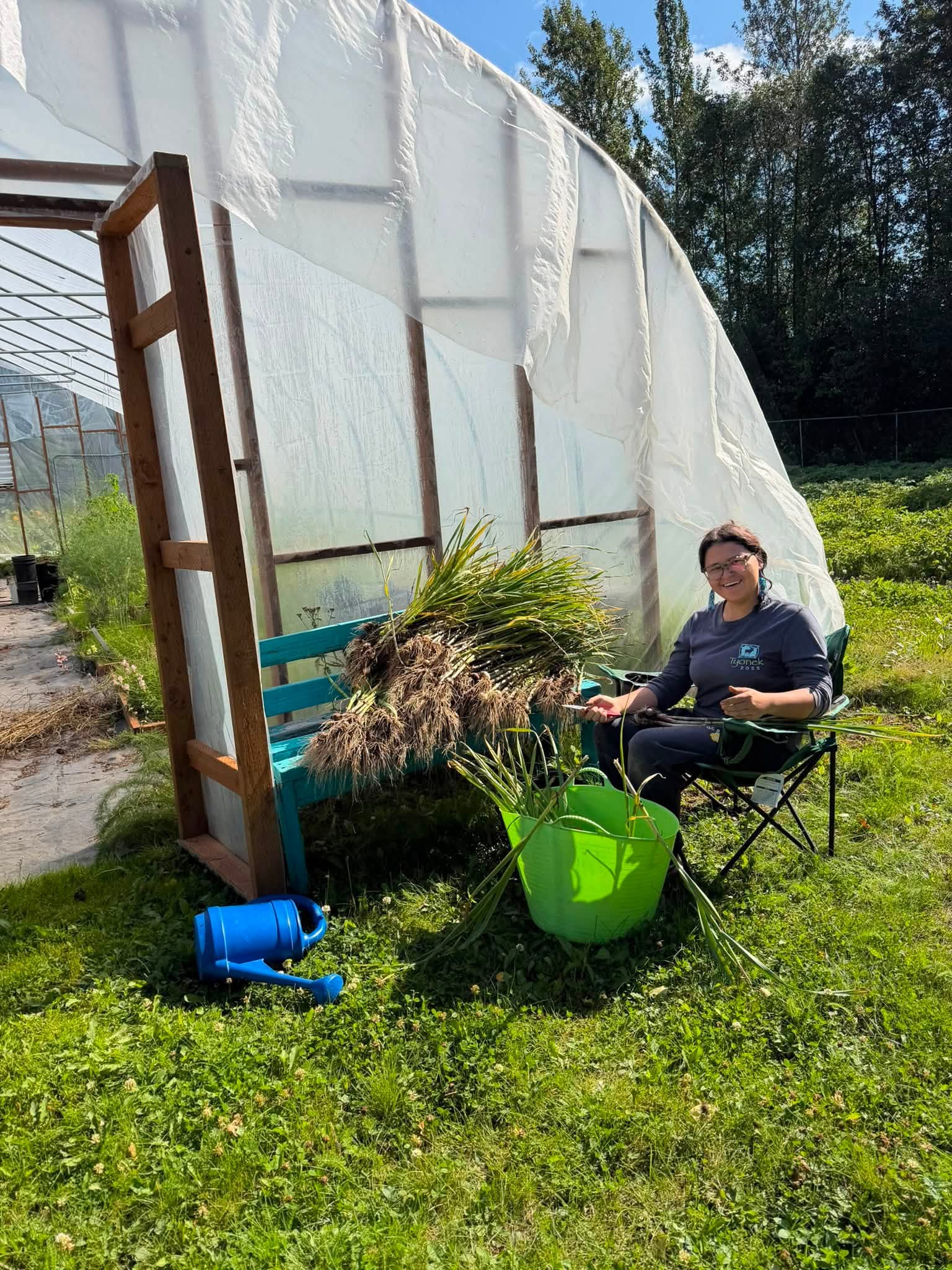
Tyonek Grown community harvest and high tunnels Agriculture

Community Agriculture

Tyonek Grown links local food production, youth learning, and conservation. TTCD's 2025 Annual Report describes approximately 10,000 square feet of cultivated land, 2 high tunnels, and 12 community garden beds.

Discover Tyonek Grown →
Fresh produce harvest box for Tyonek families and elders Food Sovereignty

Food Security

Tyonek is off the road system and depends on air and water transportation. TTCD supports local food access through Tyonek Gather, community agriculture, food-system education, preservation skills, and partnerships with local households and producers.

View Food Security Initiatives →
Tebughna School youth at Indian Creek weir observing salmon Education

Youth & Education (TYCS)

Fostering tribal self-determination in natural resource management through the Tebughna Youth Conservation Squad, K-12 culturally responsive STEM curriculum at Tebughna School, and paid summer internships.

Explore Youth Programs →
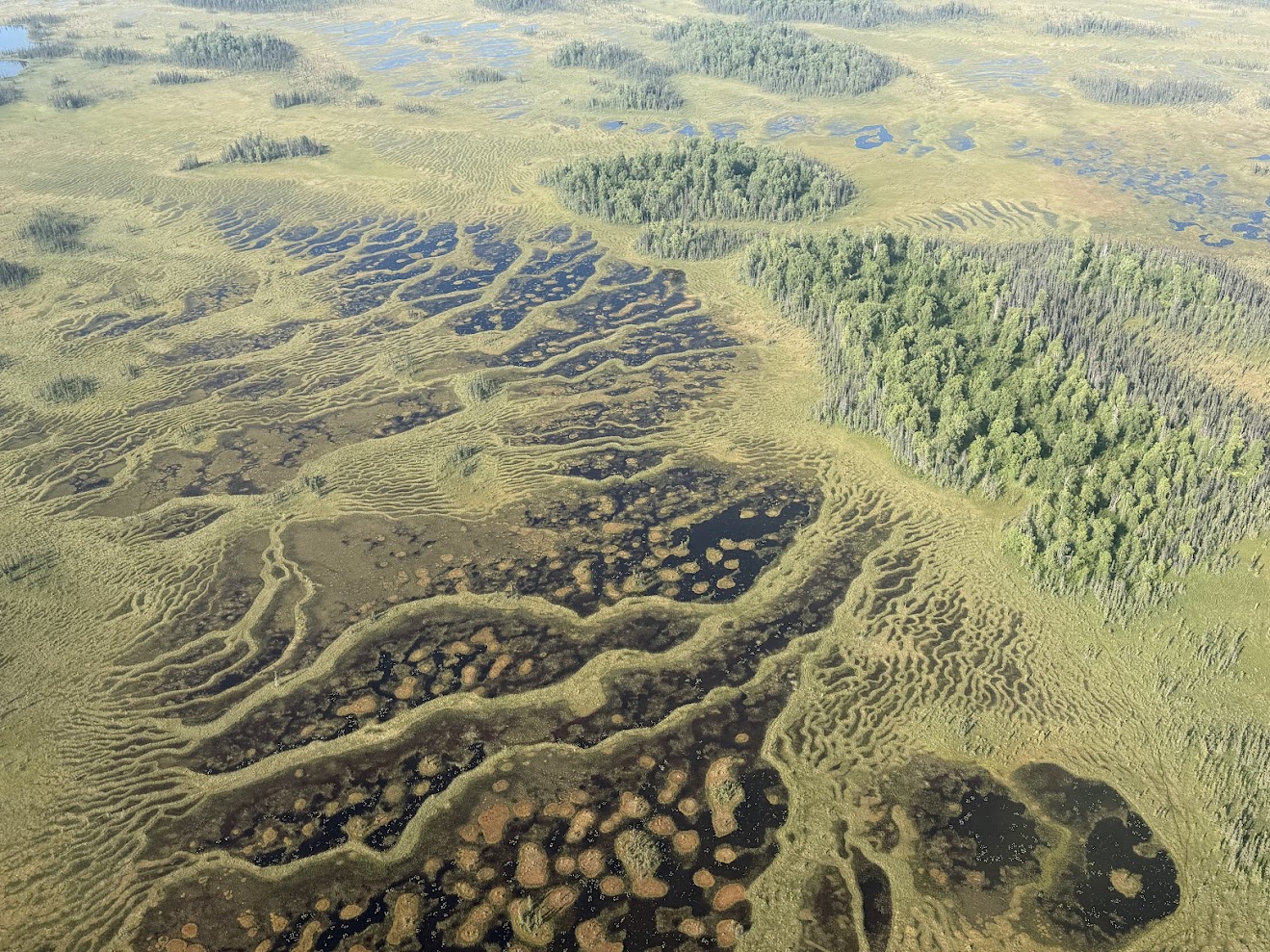
Aerial wetlands conservation survey of Tyonek lands Technical Assistance

Outreach & Technical Assistance

Providing technical assistance to District landowners, including conservation planning and support identifying or applying for programs such as USDA NRCS Environmental Quality Incentives Program (EQIP) funding.

Get Landowner Assistance →

Landowner Technical Assistance & FAQs

Common questions regarding conservation planning on district lands.

If I am a landowner within the District, can TTCD help me plan and complete projects? +

Yes. TTCD is available to provide technical assistance to all private and tribal landowners within Game Management Unit 16B. We assist with initial site evaluations, GIS mapping, soil health assessments, fish barrier documentation, and conservation planning.

What funding programs are available for landowners? +

TTCD staff work closely with the USDA Natural Resources Conservation Service (NRCS) to help landowners apply for and manage cost-share funding through programs like the Environmental Quality Incentives Program (EQIP) and Conservation Stewardship Program (CSP).

How do culvert replacements benefit local fisheries? +

Improperly designed culverts create high water velocities or drop barriers that juvenile salmon cannot swim past. By installing stream-simulation bottomless arches, streams regain natural flow, gravel movement, and 100% fish passage at all life stages.

How can I volunteer or participate in seasonal programs? +

We welcome community participation in our spring invasive pike suppression, summer high tunnel harvests, and weed pull events. Visit our Volunteer page or contact admin@ttcd.org to get involved.

Support Our Conservation Initiatives

Your contributions help protect vital salmon habitats and sustain off-grid food independence.