
Food & Ethnobotany 🎯 Grades 5-12 ⏱️ 45 minutes 👥 1-30 students

Journey from Field to Fork: Supply Chains & Nutrition

Food Systems & Agricultural Economics • Tyonek Tribal Conservation District Curriculum

Interactive Digital Curriculum

Interactive Walkthrough Slides

Step through the complete digitized curriculum deck with illustrated concepts, step-by-step procedures, teacher tips, and interactive knowledge checks.

🖥️ Interactive Walkthrough Slides
Slide 1 of 6
Download PDF
Slide 1 Supply Chain Dynamics

The Long Highway: Field to Fork

Unpacking the Complex Logistics of Feeding Millions

Most Americans give little thought to how a shiny apple appears in the grocery store in the middle of winter.

Behind every bite lies an intricate multi-billion-dollar web of migrant pickers, diesel refrigerated semi-trucks, processing plants, container ships, distribution warehouses, and retail grocers.

  • 🚜
    Producer: Farms that plant, irrigate, and harvest raw crops.
  • 🏭
    Processor: Washes, chops, freezes, cans, or packages food into consumer goods.
  • 🚚
    Distributor: Warehouses, cargo planes, and freight trucks moving goods across borders.
  • 🏪
    Retailer: Supermarkets, village stores, and restaurants selling to consumers.
← / → Navigate slides F Fullscreen Esc Exit fullscreen
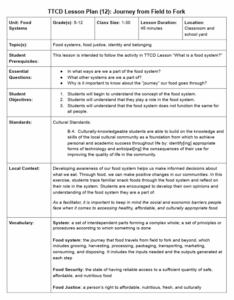
Official curriculum guide preview for Journey from Field to Fork: Supply Chains & Nutrition
📄 12.-Food-Systems_-Journey-from-Field-to-Fork.pdf

Essential Inquiries & Learning Targets

Core Essential Questions:

  • What economic and logistical links connect farmers, processors, truckers, distributors, and consumers?
  • How much food is lost or wasted during industrial transit, and how does transit time degrade vitamin content?
  • How does the Tyonek Grown farm-to-table model deliver harvested produce to elders within hours?

Student Learning Objectives:

  • Role-play the 5 stages of food distribution in a classroom supply chain simulation.
  • Analyze food waste percentages across harvesting, storage, transport, retail, and household plate waste.
  • Compare the nutritional degradation of store-bought greens vs same-day greenhouse harvests.
Self-Grading Assessment

Comprehension Mastery Quiz

Test student understanding of scientific principles, local Alaska ecology, and problem-solving scenarios from the lesson guide. Earn the Journey from Field to Fork: Supply Chains & Nutrition Master credential!

📝 Comprehension Mastery Quiz Question 1 of 1

What happens to Vitamin C and nutrient levels in leafy greens during long shipping times?

Terminology & Dena’ina Context

Specialized Vocabulary Flashcards

🗂️ Interactive Vocabulary Deck Card 1 of 3

Click the card or press Space to flip. Use arrow keys to navigate.

Term Click to flip ↷

Supply Chain

Definition & Context Click to flip ↶

The sequence of processes involved in the production and distribution of a commodity.

Alaska Context:

Economics

Educator Guide

Curriculum Standards & Activity Protocol

📚 Standards Alignment (NGSS & Alaska Cultural Standards)

MS-ESS3-3

Apply scientific principles to design a method for monitoring and minimizing a human impact on the environment.

NGSS

🏔️ Local Alaskan & Tebughna Context

  • Produce destined for Tyonek sits in California warehouses, Seattle docks, Anchorage distribution centers, and regional airstrips before reaching village kitchens.
  • Tyonek Grown delivers freshly picked zucchini, potatoes, and greens directly to the Tyonek Elders Lunch Program on the same afternoon it is harvested.

📦 Required Materials & Classroom Setup

✓ Foam balls or beanbags to represent crops✓ Role cards (Farmer, Trucker, Shipper, Pilot, Store, Eater)✓ Hazard scenario cards✓ Stopwatch

🔬 Step-by-Step Hands-on Activity Guide

  1. Step 1: Assign Roles

    Assign student stations along a 30-foot classroom supply chain.

  2. Step 2: Pass Crops

    Pass crop balls down the chain under timed conditions.

  3. Step 3: Draw Hazards

    Draw transit delay cards and discard spoiled crops.

  4. Step 4: Calculate Loss

    Count surviving crops and calculate total supply chain waste percentage.

💬 Wrap-Up Discussion & Evidence of Learning

Discussion Questions:

  • Why does a Tyonek Grown carrot taste sweeter than a store-bought carrot?
  • What steps can we take at home to stop throwing away edible food?

Evidence of Learning Rubric:

  • Student accurately traces the steps of a commercial food supply chain.
  • Student explains how local food systems eliminate transit spoilage and preserve nutrient density.
← All Youth Lessons & Resources